The best kind of trend is the one you do without knowing it has a name.
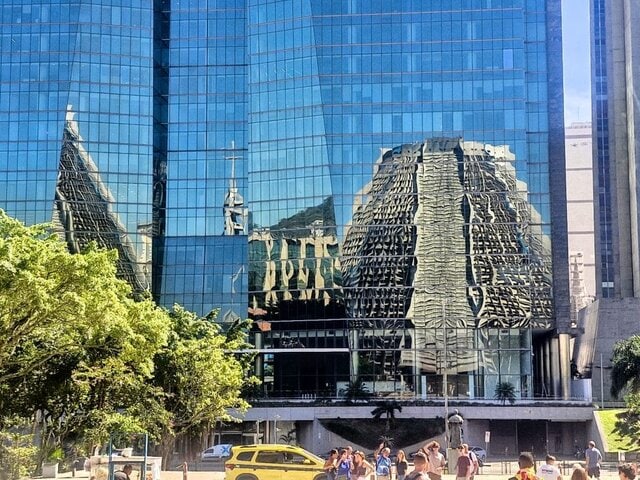
Somewhere between the bustle of the streets of central Rio de Janeiro and the quieter pathways of the San Francisco Bay trail, I came across the term, “tiny tourism”. And I realized that this was the kind of travel and tourism I have been doing all along.
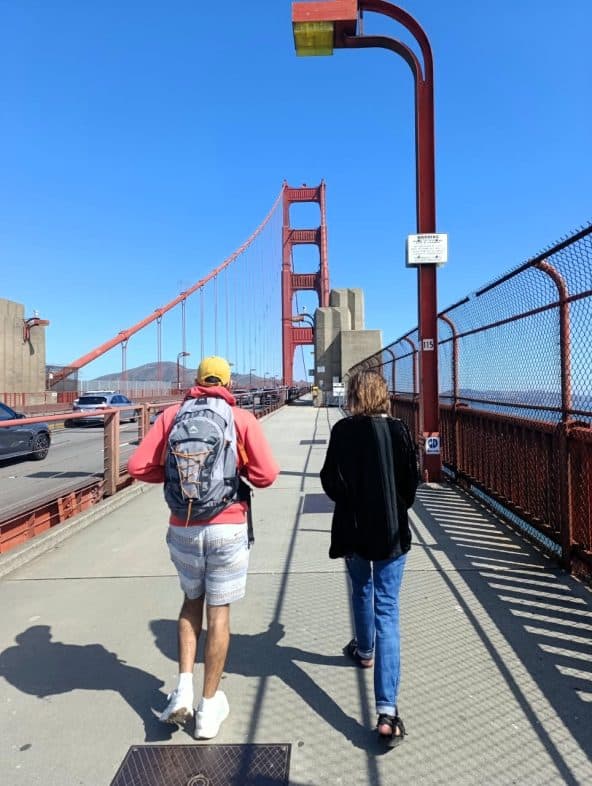
The big sights will always be enticing. I’ve wanted to walk across the Golden Gate Bridge for ages, for example, and feel immense satisfaction in having done so at last. But ticking off experiences such as these is not the most important thing for me.
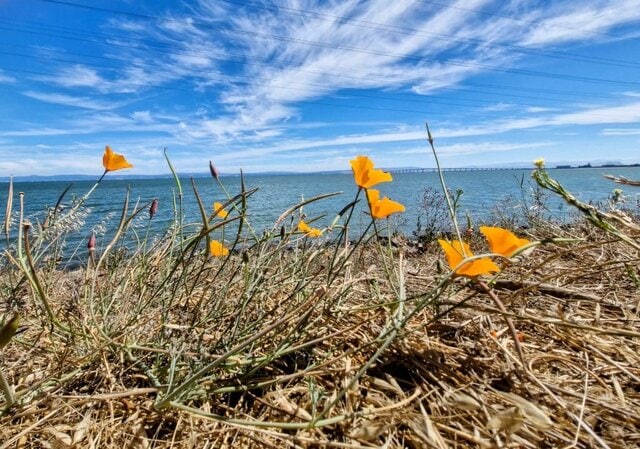
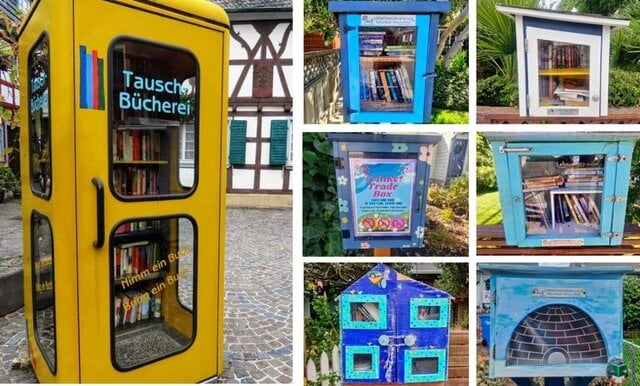
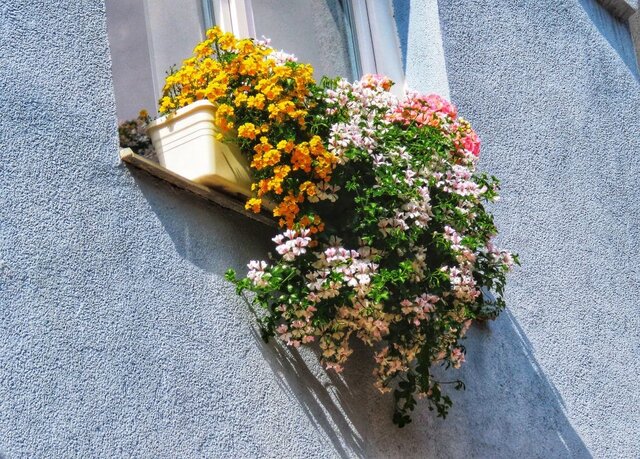
What feeds my wandering and wondering soul is getting off the beaten track, walking around neighbourhoods: seeing where people live, what they grow in their gardens, where they buy their groceries, what they do for leisure. It leaves me with an appreciation for an area that is far deeper than “bucket-list” tourism could ever offer.
Celebrating the everyday
There is a real pushback against mass tourism and overtourism, which spew out environmental and other damage. Think about crowds causing havoc to the great migrations of animals in Africa, for example. Tiny tourism is an important part of this pushback.
An outfit called It’s Nice That Insights coined the term, in title case, for the Tiny Tourist mindset in a report published in April.
“The Tiny Tourist approach is all about elevating small, niche wonders that locals encounter every day,” the report says. “It’s the highly attainable, made aspirational, and the grand, made accessibly detailed.”
The report has some data to back it up: 49% of its survey respondents say what makes a trip meaningful is “everyday local experiences” (versus 4% for “seeing must-see sights”); and 53% say they “rarely act” on traditional travel ads.
It quotes Trippin co-founder Sam Blenkinsopp: “People want to know about the political reality of a place. Whether they can be openly gay. Whether it’s safe for people of colour. Most travel marketing won’t touch that – but those are exactly the questions people are asking before they book.”
As illustrator Harriet Yakub, talking about the travel sketchbooks she made in Korea, Japan and Taiwan, says in the report: “I find that what makes travel so captivating isn’t always the big showstoppers; it’s the way your attention is drawn to what was always there but went unnoticed.”
And Manchester Metropolitan University psychology lecturer Andrew Stevenson: “There is some research, interestingly enough, to suggest that the lasting effect of eudaimonic travel – i.e. travel for self-improvement – can be a little bit longer than the lasting effect of hedonistic travel, whose effects might evaporate a bit more quickly.”
The lived experience
Here is how to be a tiny tourist, according to the Insights report:
- Trust in the “boring”: Everyday moments can be as engaging as major attractions.
- Look differently at what is already there: Instead of seeking new places, find new perspectives on familiar ones.
- Get chatting: Personal stories and conversations with locals lead to more memorable discoveries.
- Listen to locals: Prioritize local knowledge and respect the rhythms and realities of the places you visit.
I would add: use public transport whenever you can. Trying to navigate areas makes you slow down and get to know them better. You see more and have more chance to interact with locals. And walk! You see and feel so much when you’re walking.
Rather than race past major landmarks, in other words, focus on micro-moments and ordinary details.
Crossroads with slow travel
Tiny tourism is quite different from slow travel, which requires spending weeks or even months in one place to immerse yourself in the culture and lifestyle of the people who live there. But that is not practical for most of us: likely, responsibilities and financial realities mean that we can’t spend months away from home.
Tiny tourism and slow travel, however, have a lot in common. Both reject the checklist approach to travel and tourism. Both resist the pressure to add to crowds at tourist hotspots. Both ask you to be fully aware of the here and now, rather than thinking about the next stop. Both focus on relaxation and curiosity, rather than exhausting yourself by trying to tick off items on a packed itinerary.
And both ask of you to step lightly on the Earth.
Where it’s taken me
The “tiny tourist” term is new – and I am grateful to come across it – but the concept is not. I would sometimes feel a niggling sense of guilt about not packing my days with “big” tourism. Learning this new term has been liberating.
So I really do feel okay not trying to cram my days with big sights. And I am not wasting time – I am making the most of being in another part of the world, another part of my own country. It feels more meaningful than dashing from sight to sight.
The connections with people and places stay with me. In Delhi, a street child and a shopkeeper asked me the same questions: Who did I vote for in South Africa? And do I know (cricketer) Jonty Rhodes?
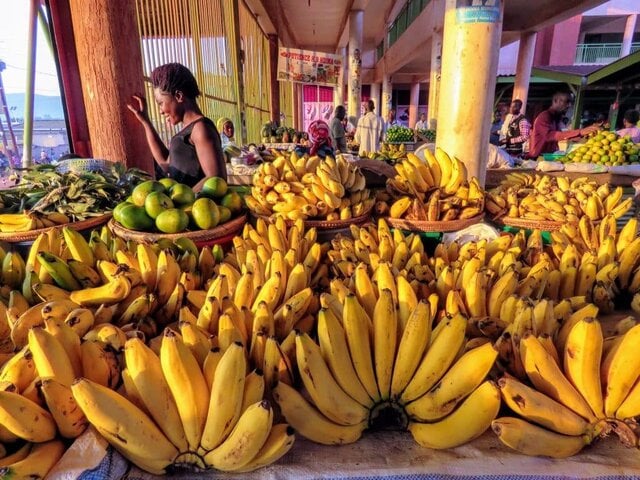
In Hoima, my experience was that giving the gift of a banana is to kindle a friendship, much like offering a cigarette in Cairo, even as a non-smoker.
In San Francisco’s Golden Gate Park, I met a lawyer who reads tarot cards, and we’ve made plans to walk together in her city on my next visit. On my flight home yesterday, I chatted for ages with a historian who is getting into animal whispering.
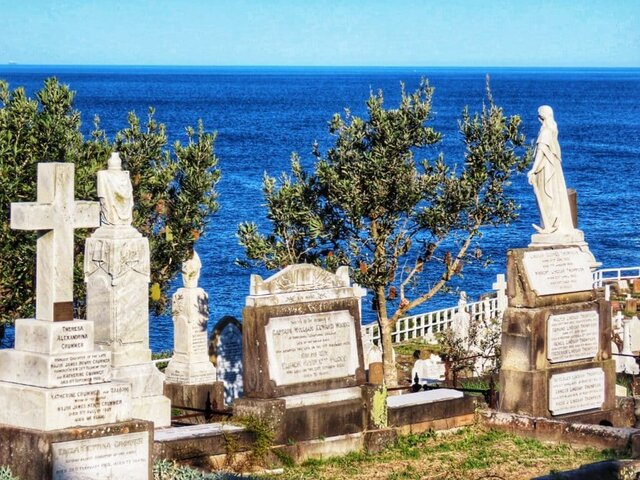
In Sydney, I soaked in the peace of the Waverley Cemetery, which has more than 90,000 burials and interments, some from the 1800s, and incredible views across the Tasman Sea.
In Bad Honnef, near Bonn, I took dogs for walks and feasted on wild blackberries and plums.
On a recent lightning visit to New York City, my sister and I made a long list of what we wanted to see. We did a fraction – on a shoestring budget – and instead spent time just watching and listening. Chilling, in other words; slowing down to take it all in. And even in that limited timeframe, we managed to find some sort of balance between big sights and real life.
I know now that I am most comfortable in the space that exists between slow travel and tiny tourism, although I will never shun a touch of the “big” sights, as long as it is not adding to damage of an area. And perhaps that understanding is most liberating of all.
Happy travels!